mechano
biology

Understanding how cancer's physical properties predict metastatic potential and guide treatment decisions

What is mechanobiology?

Understanding Mechanobiology: The Physics of Cancer
Mechanobiology is the science of how cells and tissues sense, generate, and respond to mechanical forces within their environment. Unlike molecular biology focused on genes and proteins, mechanobiology reveals how physical characteristics fundamentally influence disease.

Why mechanics matter in cancer:

Mechanics drive biology
Physical cues determine structure, movement, and communication.
Mechanics predict behaviour
Cells getting softer enables escape and spread.
Mechanics guide treatment
Physical properties provide predictive biomarkers for therapy selection.

Mechanical properties that matter

At the heart of mechanobiology are the physical properties, like stiffness, viscosity, and adhesion that shape the behavior of cells and tissues. These forces are not secondary; they are central to how cancer starts, grows, spreads, and responds to treatment. These properties shape how cancer spreads, resists treatment, and recurs.
Stiffness
Resistance to being deformed
Viscosity (dissipation)
The “fluidity” of cells and tissues
Adhesion
How tightly cells stick to each other and their environment
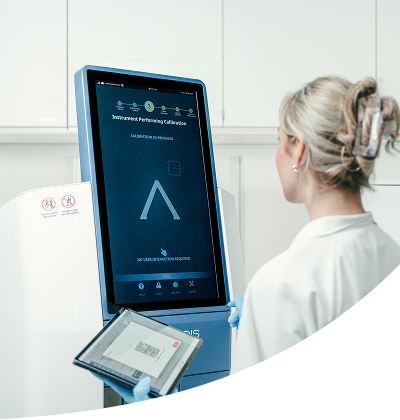
Artidis device

Clinical impact

Why This Matters for Cancer Care
Physical measurements provide predictive biomarkers that guide specific treatment decisions:
Early Detection - Discern benign from malignant through unique mechanical signatures


Metastatic Risk - Softer, more deformable cells indicate higher spread potential, requiring platinum-based drugs instead of taxanes

Treatment Optimization - Stiff microenvironment barriers signal resistance to drug penetration, requiring radiation to improve checkpoint inhibitor delivery

Key concepts

Nanomechanical Profile: The Cell's Mechanical Fingerprint
arrow
A unique suite of measurable mechanical characteristics which defines individual cells and tissue regions at the nanoscale. By taking thousands of measurements across a tumor sample within its microenvironment, Artidis creates a comprehensive profile of all mechanical properties.
Nanomechanical Phenotype: Cancer’s Signature
arrow
In cancer, tumor cells often become softer and more deformable than healthy cells, marking higher metastatic potential. This gives clinicians a concrete way to identify tumors based on physical, not just genetic, makeup.
Mechanical Heterogeneity: Tumor Barrier

No tumor is uniform. Within a single tumor the tumor microenvironment (TME) may become stiffer due to matrix remodeling, creating barriers that block treatment penetration.
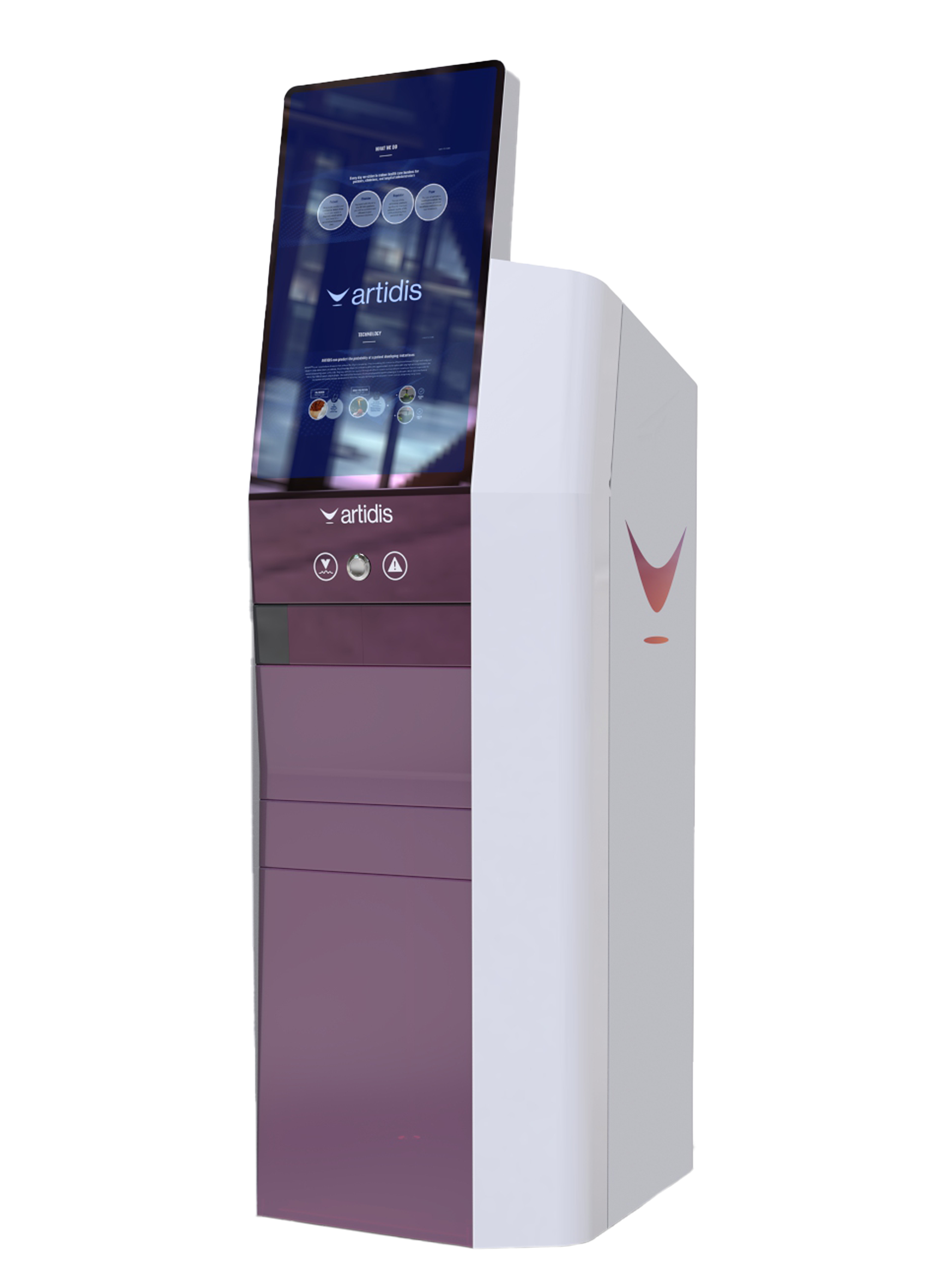
Artidis device

What makes it unique:

  • Bedside integration - Purpose-built for clinic, delivers profiling within hours at point of care
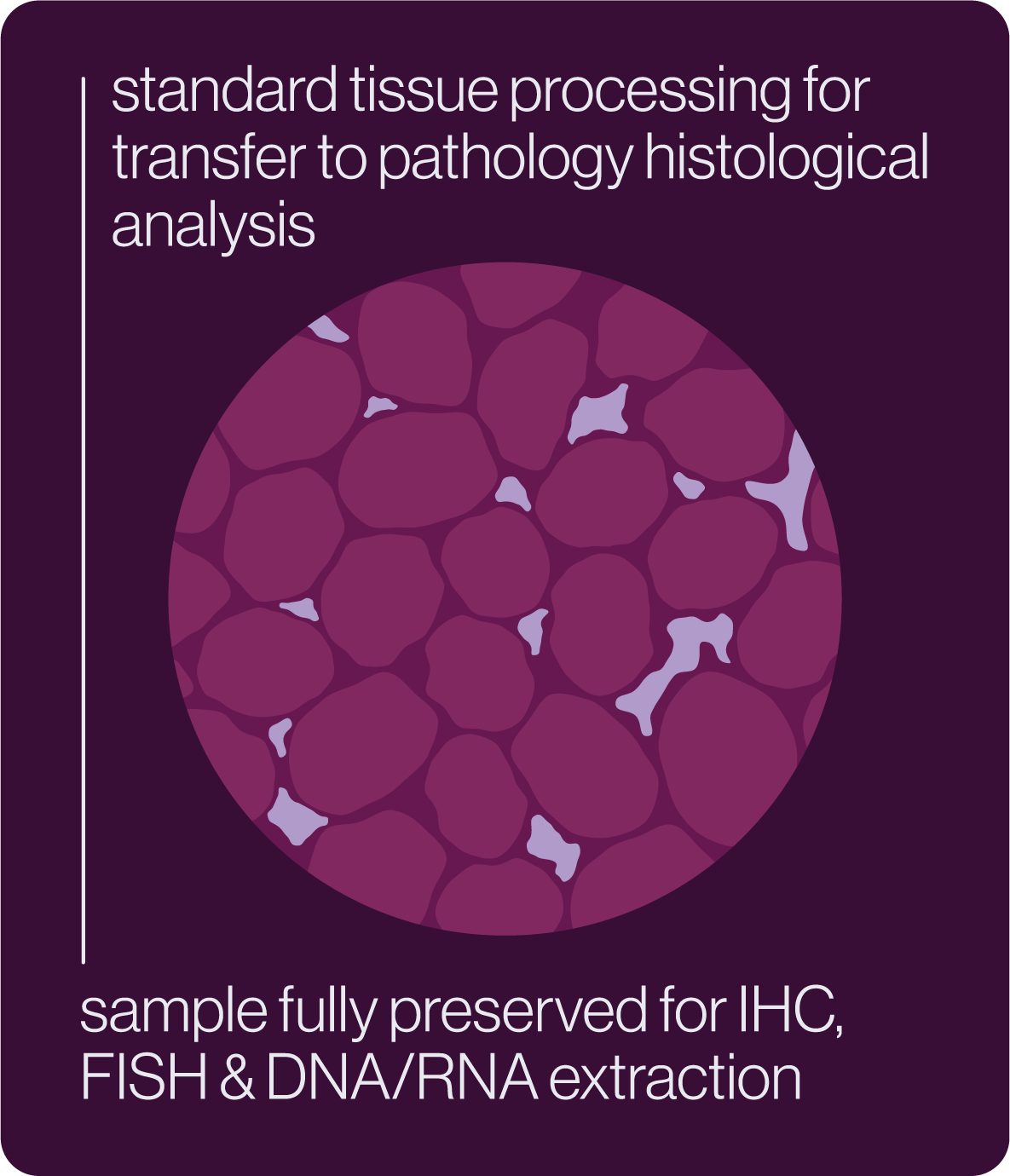
  • Sample preservation - Tissue remains intact for all downstream assays
  • Push-button automation - No prior expertise required
  • Microenvironment context - Unlike liquid biopsies measuring isolated cells, captures complete picture of tumor tissue architecture

How artidis works

Measuring Cancer Mechanobiology in Action
Our Approach:
  • Atomic force-based analysis - Tiny, sensitive probe rapidly maps mechanical properties across tissue samples at nanoscale within the tumor microenvironment
  • AI-powered ecosystem - Artidisnet analyzes all measurements, providing predictive biomarkers and seamless clinical data integration
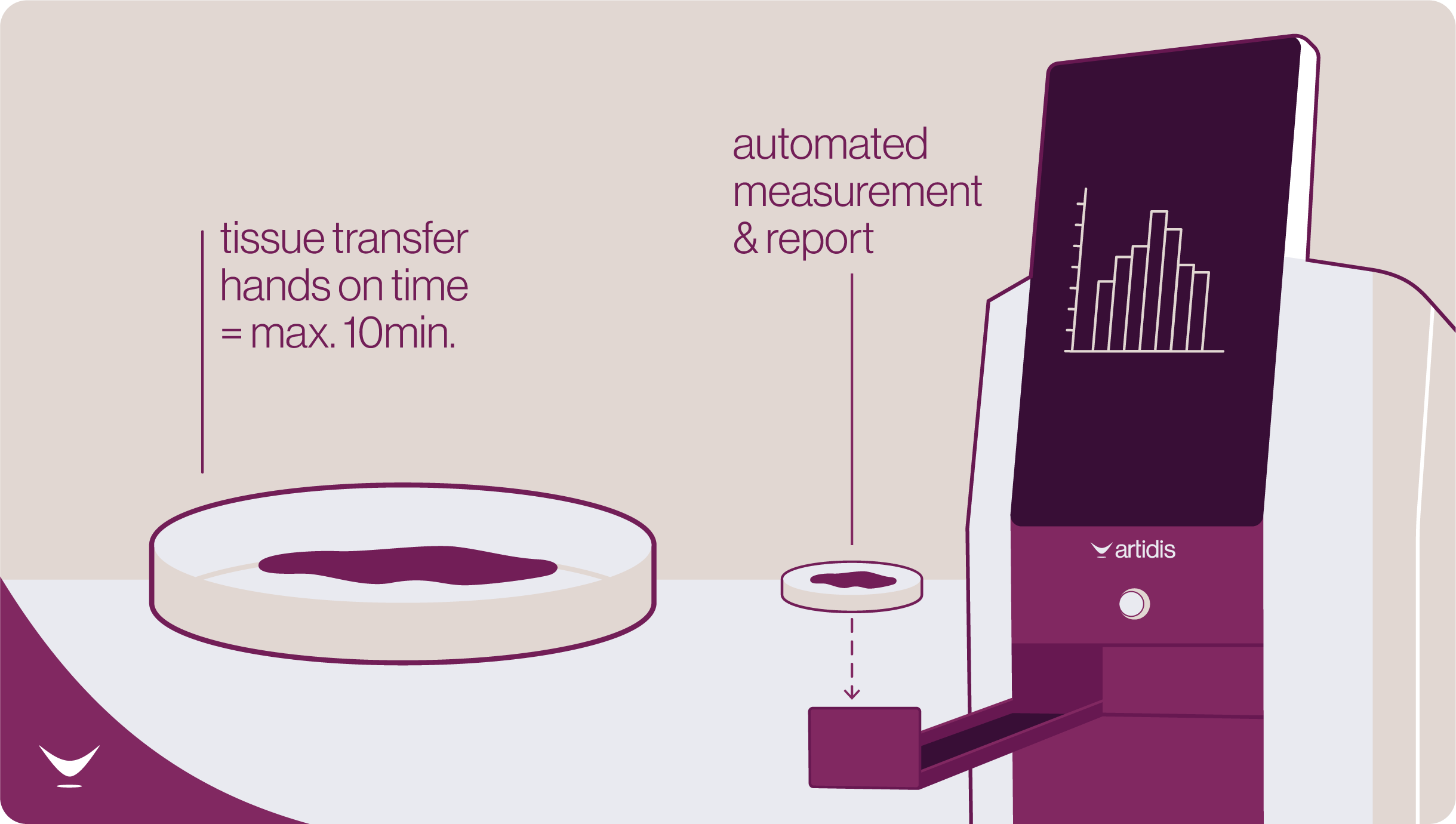
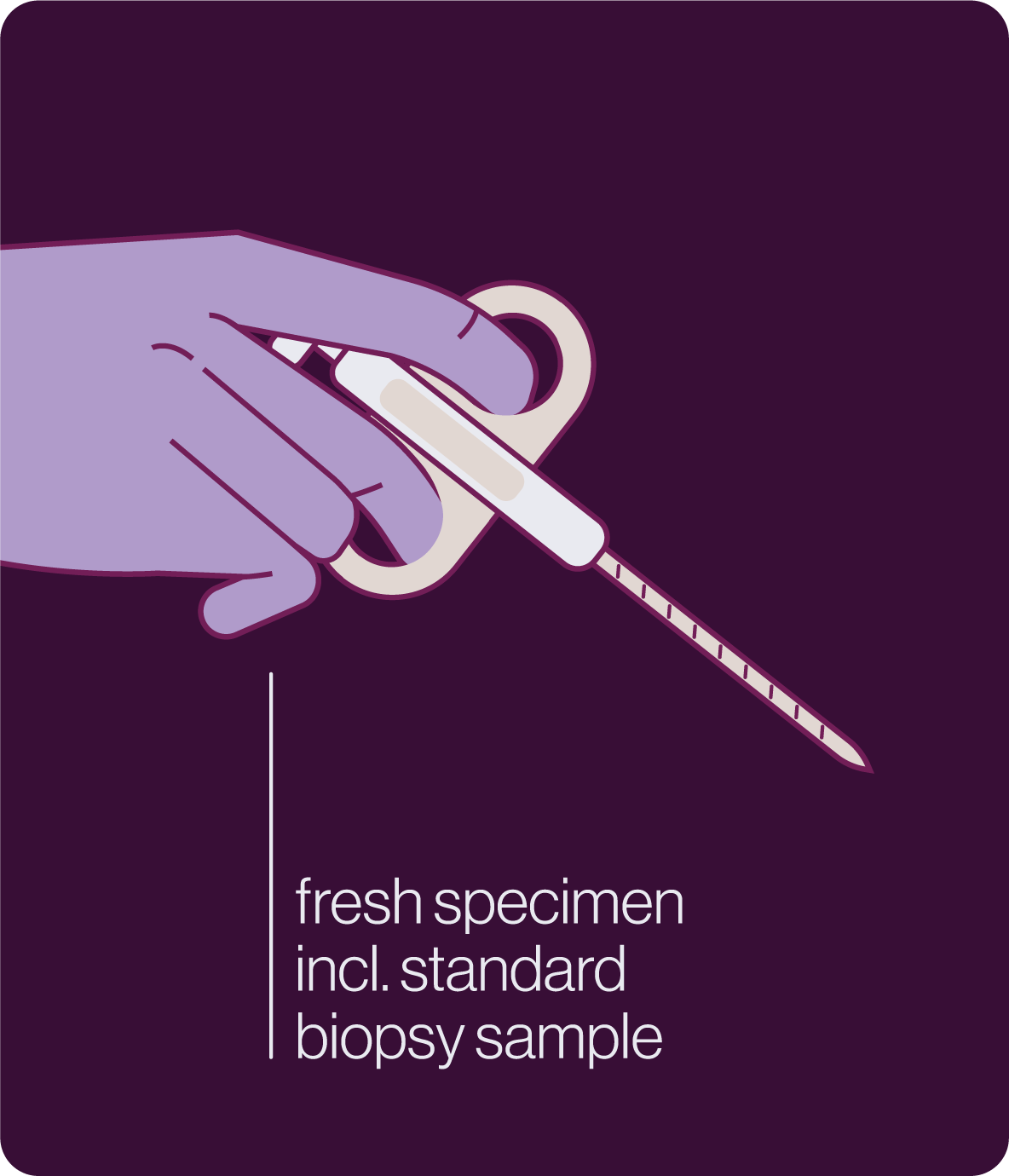
  • Seamless workflow - Results in hours, sample returns to pathology unchanged, treatment guidance instantly available

Our workflow

Illustration of a purple-gloved hand holding a biopsy needle with text reading 'fresh specimen incl. standard biopsy sample' on a dark purple background.Illustration showing tissue transfer in a petri dish with a maximum 10-minute hands-on time and a device performing automated measurement and reporting with a bar graph on screen.Illustration of tissue cells highlighting standard tissue processing for pathology and preservation for IHC, FISH, and DNA/RNA extraction.

Join the mechanobiology revolution

Whether you are advancing cancer care, researching new therapeutic pathways, or building novel diagnostics, Artidis provides the tools and insights you need.

Careers

Be part of our mission
Apply